
For families navigating care decisions for an aging loved one, the range of options, terminology, and providers can feel overwhelming. What does in-home care actually include? Who provides it? How is it structured? What should families ask before committing to an arrangement? And how does the right care plan evolve alongside a loved one’s changing needs?
This guide is designed to answer those questions clearly. Professional in-home care in New Jersey has expanded significantly in scope and quality over the past decade, and understanding what is available helps families make confident decisions that serve their loved ones well.
What In-Home Care Actually Covers
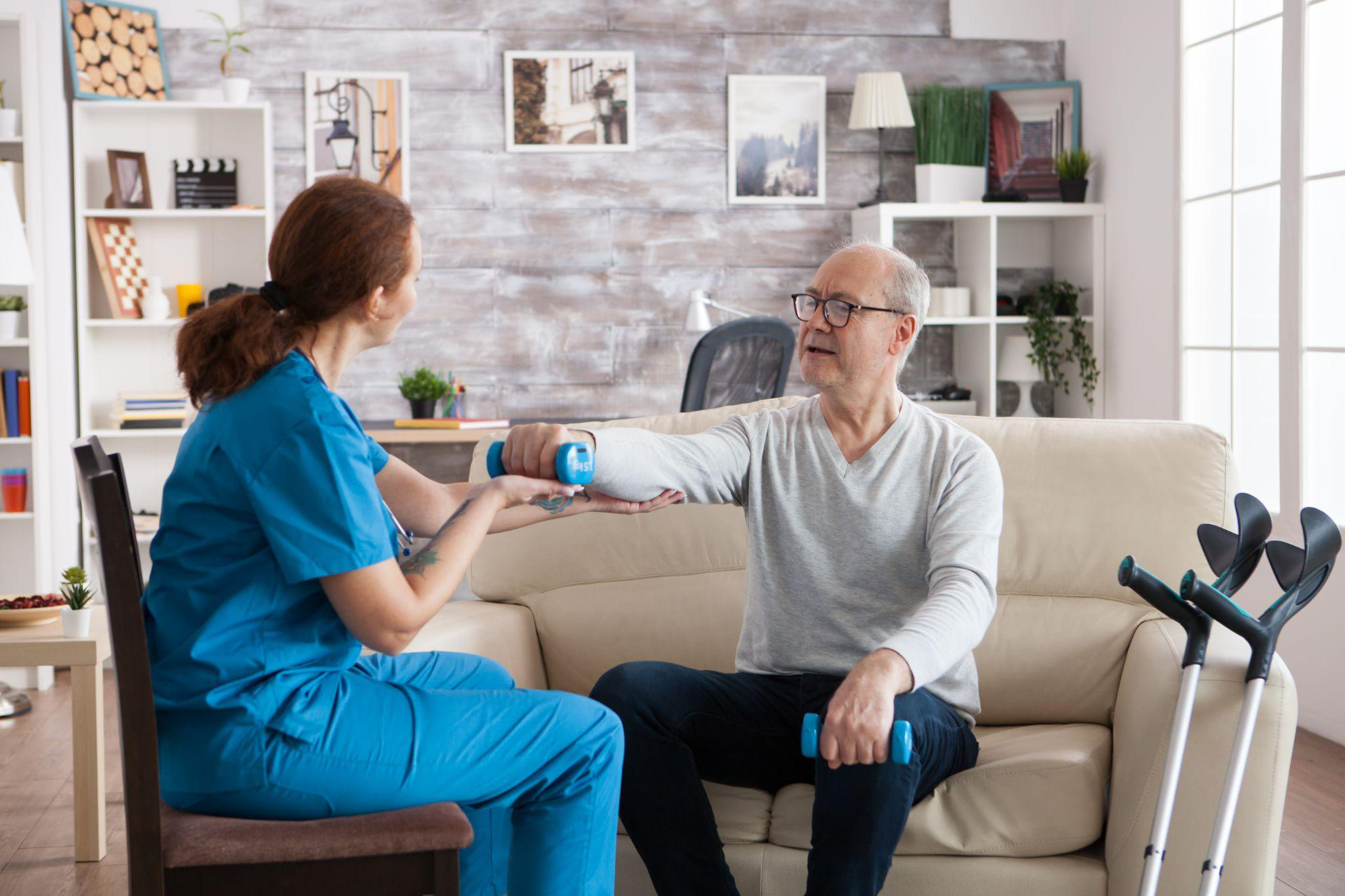
In-home care is a broad term that encompasses several distinct categories of professional support delivered in a person’s own home. At its most fundamental level, personal care services provide hands-on daily assistance with activities of daily living: bathing, grooming, dressing, mobility support, meal preparation, medication reminders, and light housekeeping. These services are non-medical but essential, addressing the daily tasks that become difficult or unsafe to manage alone as strength, balance, and coordination decline.
Beyond personal care, professional home health aide in New Jersey support adds a layer of trained, certified assistance. Home health aides operate under structured care plans, are supervised by clinical staff, and are qualified to provide personal care within a medically informed framework. For families seeking a higher level of daily support without skilled medical intervention, home health aides represent the most common and most versatile form of professional in-home assistance.
When health needs become more complex, in-home nursing introduces licensed clinical professionals into the home care arrangement. Skilled nurses provide health assessments, medication administration, wound care, vital signs monitoring, chronic disease management, and direct coordination with the client’s physician. This clinical layer allows families to manage conditions at home that previously would have required facility placement.
For seniors managing social isolation, cognitive changes, or the emotional consequences of functional decline, companion care provides structured daily engagement, conversation, activity participation, and the kind of consistent human connection that protects both mental and physical health.

How Caregivers Are Selected and Matched
One of the most important questions a family can ask a prospective provider is how caregivers are matched to clients. The answer reveals more about the provider’s care philosophy than any brochure or rate sheet. Agencies that treat caregiver assignment as a scheduling problem produce fundamentally different outcomes than those that treat it as a relational decision.
Effective matching considers personality, communication style, cultural background, daily preferences, and the specific emotional dynamics of the client’s situation. A senior who is anxious about receiving help needs a caregiver whose approach is patient and gradual. A senior with strong preferences about routine and schedule needs a professional who respects structure. The match determines whether senior home care in New Jersey feels supportive or intrusive, and whether the arrangement lasts months or weeks.
Caregiver retention is the most reliable indicator of whether matching is done well. Agencies with high retention rates are agencies whose clients and caregivers both feel well-served by the arrangement. Agencies with high turnover are managing the consequences of matches that were made for convenience rather than compatibility.

Understanding Care Schedules and Flexibility
In-home care arrangements range from a few hours per week to around-the-clock live-in support. The right schedule depends on the client’s current needs, the family’s capacity, and the clinical requirements of the care plan.
Many families begin with a modest schedule, a few mornings per week for personal care and meal preparation, and expand as needs grow. The best providers build care plans designed to scale without requiring a complete restructuring of the arrangement each time needs change. Home health services in New Jersey that adapt alongside the client’s condition prevent the disruptive transitions that reactive care planning produces.
The Role of Family Involvement
Professional in-home care does not replace family involvement. It restructures it. When a certified professional carries the daily physical and logistical workload, family members retain the emotional bandwidth to be present as sons, daughters, and spouses rather than exhausted, overstretched informal caregivers. That division of responsibility benefits everyone, most of all the person receiving care.
For families who are uncertain about how to structure their involvement, Elder Care Consulting in New Jersey guides on building a care plan that defines roles clearly and aligns professional support with the family’s capacity and values.
Questions Families Should Ask Before Choosing a Provider
The questions that most reliably predict care quality are not about price or availability. They are about process. How does the agency match caregivers to clients? What is the average length of a caregiver-client relationship? Who supervises the care plan, and how often is it reviewed? What happens when a caregiver is unavailable? How does the agency handle situations where the initial match is not working? What is the provider’s home health care supervision structure?
Agencies that welcome these questions and answer them specifically are agencies that have built their model around quality. Agencies that deflect to credentials and scheduling are telling you something about their priorities.
Frequently Asked Questions
What is the difference between a home health aide and a personal care assistant? Home health aides are certified and operate within a clinically supervised care plan. Personal care assistants provide similar daily support and may have different training requirements depending on the state.
Can in-home care handle complex medical needs? Yes. When paired with skilled nursing, in-home care can manage many conditions that were previously handled only in facility settings, including post-surgical recovery, chronic disease management, and memory care.
How quickly can care begin? At many agencies, care can begin within days of the initial consultation. Post-discharge arrangements can often be coordinated before the client leaves the hospital.
Is in-home care covered by insurance or Medicaid? Coverage varies. Some services may be covered under Medicare home health benefits or Medicaid home and community-based service waivers. Families should verify specifics with their care coordinator.
We Are Ready When Your Family Is
At 360 Degree Care Inc., we have spent over a decade delivering professional in-home care in New Jersey that families can genuinely depend on. Our caregivers are matched carefully, retained consistently, and held to a standard that reflects the trust families place in us. Our care plans are built around the individual, adapt as needs change, and are supported by clinical oversight at every level.
If your family is exploring in-home care options and wants to work with a provider who will answer every question honestly and build a care plan that fits the real situation, contact 360 Degree Care Inc. today. We welcome the conversation.