
The decision to support a loved one in aging at home is both deeply personal and practically complex. It reflects a family’s values about independence, dignity, and quality of life. It also requires honest planning around the realities of physical change, daily functioning, healthcare coordination, and the long-term sustainability of whatever support arrangement the family builds.
This guide is designed to help families think through what aging at home in New Jersey actually requires across each stage, and how professional home health services in New Jersey can provide the structure that makes it work over the long term.
Understanding How Daily Life Changes With Age
Aging does not produce a single moment of need. It produces a gradual shift in capacity that affects different areas at different rates. Mobility may decline before cognition. Nutrition may suffer before personal hygiene. The ability to manage a household may erode well before the ability to manage personal care.
For families planning ahead, the most useful framework is not a fixed plan but a flexible one. An arrangement that begins with light in-home personal care support for meals and morning routines can evolve to include more comprehensive daily assistance, and eventually skilled nursing or live-in care if needed, without requiring the family to start over with a new provider each time needs change.

Personal Care: The Foundation of Aging in Place
Professional personal care services form the foundation of most home-based aging arrangements. Assistance with bathing, grooming, dressing, mobility, medication reminders, and light housekeeping addresses the daily living challenges that, when left unsupported, most commonly trigger a move to a facility.
What makes personal care effective is not the task list. It is the relationship. A certified home health aide who knows the client’s preferences, respects their pace, and has earned their trust delivers a quality of daily experience that task-completion alone cannot produce. Families planning for the years ahead should prioritize providers that match caregivers deliberately and retain them consistently, because the caregiver relationship is the variable that most consistently determines whether a home care arrangement holds over time.
When Clinical Needs Emerge
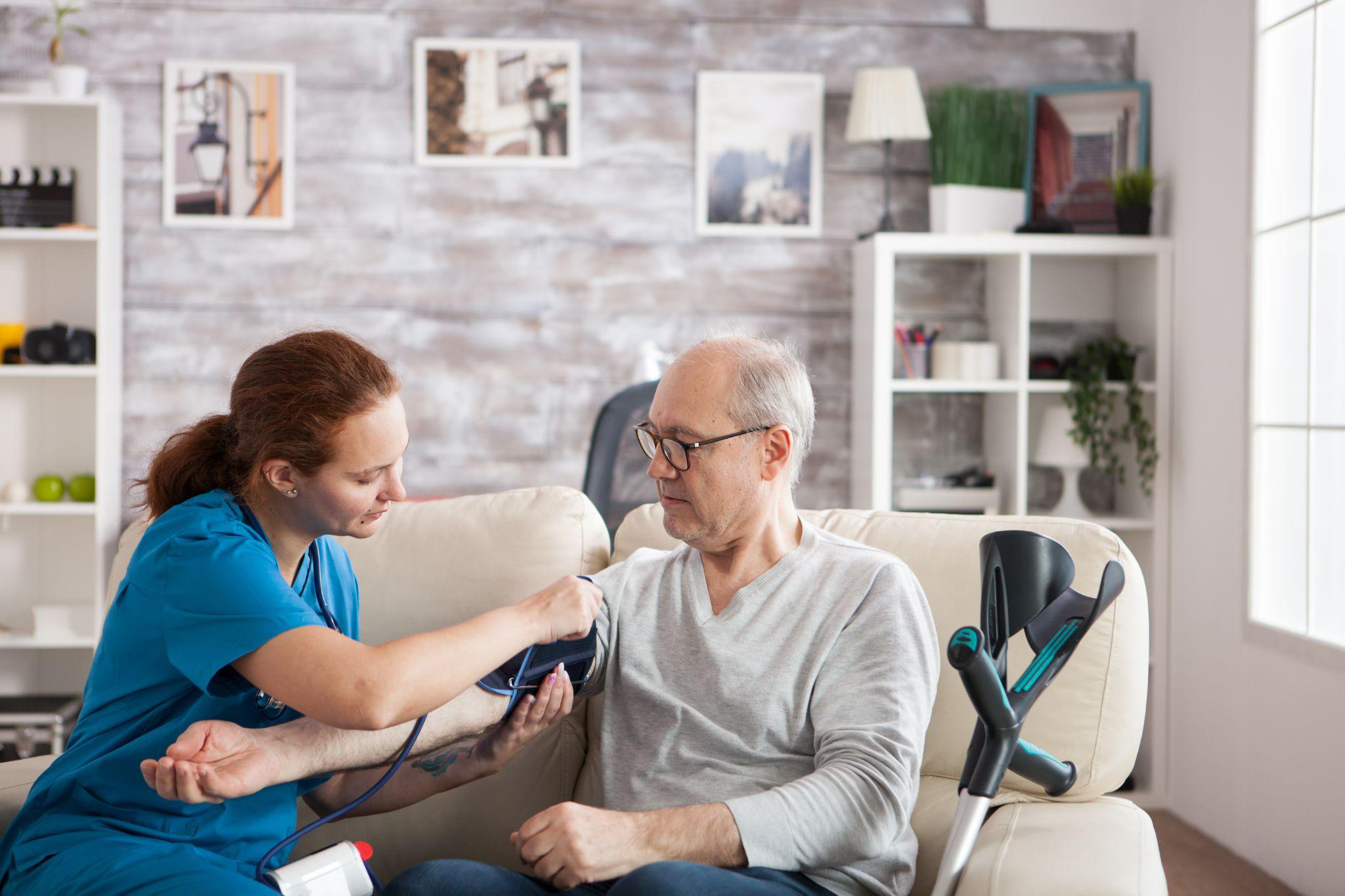
For many seniors aging at home, there comes a point when personal care support alone is no longer sufficient. Chronic conditions become more complex. Post-hospital recovery requires clinical monitoring. Medication management demands professional oversight. At this stage, professional in-home nursing introduces licensed clinical professionals into the home care arrangement.
Skilled nurses provide health assessments, medication administration, wound care, vital signs monitoring, and direct communication with the client’s physician. This clinical layer allows families to manage conditions at home that, a generation ago, would almost certainly have required facility placement. The availability of comprehensive home health care in New Jersey has made aging in place viable through stages of medical complexity that families once assumed would end the option.
Social and Emotional Needs
Aging at home protects familiarity and independence. But it can also produce isolation if the senior’s social world contracts alongside their physical capacity. Friends pass away. Driving becomes unsafe. Community activities become inaccessible. The daily routine narrows until meaningful human contact occurs only during family visits.
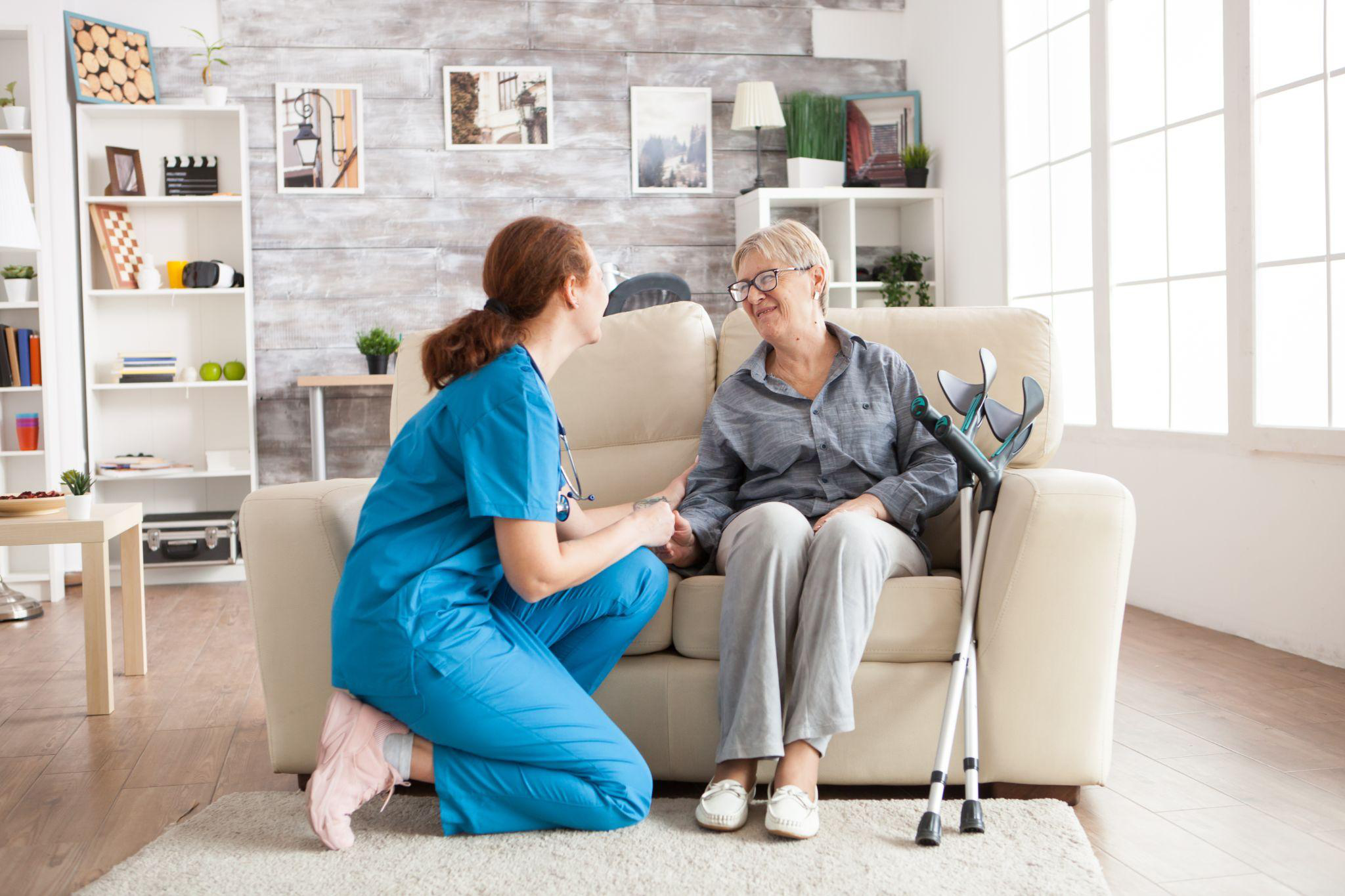
Professional senior home care that includes companion care directly addresses this risk. A consistent caregiver who provides daily engagement, conversation, appointment accompaniment, and the kind of genuine personal presence that isolation erodes offers protection that is both emotional and clinical. Research consistently links social connection to better cognitive function, lower rates of depression, and greater overall resilience in older adults.
Family Roles and Sustainable Involvement
One of the most common mistakes families make when planning for a loved one to age at home is assuming that family members can carry the daily care burden indefinitely. Spouses, adult children, and siblings who take on informal caregiving without professional support experience documented increases in burnout, health decline, relationship strain, and reduced work productivity.
Professional in-home care does not replace family involvement. It makes family involvement sustainable. When a professional team carries the daily physical and logistical workload, family members retain the capacity to be emotionally present rather than operationally exhausted. Elder care consulting in New Jersey can help families structure this division of responsibility clearly from the beginning, preventing the reactive, crisis-driven adjustments that strain both the care arrangement and the relationships around it.
Adapting the Plan as Circumstances Change
The most effective aging-in-place plans are those built to adapt. A care arrangement that works this year may need to look different next year. The right provider builds care plans that expand naturally, adding services, increasing visit frequency, or integrating skilled nursing alongside personal care as the client’s health status evolves.
This adaptability is one of the defining advantages of comprehensive home health care newark in NJ. Unlike facility-based models that apply a standardized level of care to every resident, home-based care can be calibrated precisely to the current moment and recalibrated as that moment changes. The care grows with the person rather than requiring the person to relocate to match the care.
Frequently Asked Questions
How early should families start planning for aging in place? As early as possible. Families who begin planning before a crisis have more time to evaluate providers, build caregiver relationships, and introduce support gradually.
Can one agency handle all levels of care? Yes. Full-service providers offer personal care, home health aide support, skilled nursing, companion care, memory care, and elder care consulting under one coordinated team.
What happens if my loved one’s needs change suddenly? A quality provider adjusts the care plan promptly, increasing support, adding clinical oversight, or modifying the schedule to match the new situation without requiring a transition to a different agency.
Is aging in place always the right choice? Not in every case. Some conditions require facility-level care. A professional care consultant can help families make that determination honestly.
We Plan for the Years Ahead With You
At 360 Degree Care Inc., we have spent over a decade helping New Jersey families plan for, build, and sustain aging-in-place arrangements that genuinely work. Our home health services in New Jersey are designed to adapt as needs change; our caregivers are matched and retained for the long term, and our clinical oversight ensures that every care plan reflects the client’s current reality rather than a snapshot from intake.
If your family is planning for the years ahead and wants a partner whose care model is built for the long run, contact 360 Degree Care Inc. today. We will start where every good plan starts: by listening to your family and understanding the person at the center of it.