
A parent who feels lonely may need company rather than assistance with every task. Someone else might seem socially confident while quietly struggling to bathe or prepare meals. Families exploring in-home care in New Jersey should identify what is difficult, unsafe or consistently avoided. Companion care services and personal care serve different purposes and can sometimes work together. Sometimes senior home care starts with a few hours of meaningful company.
When Companionship May Be Enough
Companionship centers on presence, conversation and the everyday activities that create connection. A companion may join an older adult for hobbies, support errands, encourage routine activity or help with simple household tasks within an agreed plan. It can be especially useful when relatives are busy or live far away.
Ask whether the parent can safely wash, dress, eat and move around without hands-on assistance. If they can, regular social support may address a meaningful gap without creating an unnecessarily intensive schedule.
Signs That Hands-On Assistance Is Necessary
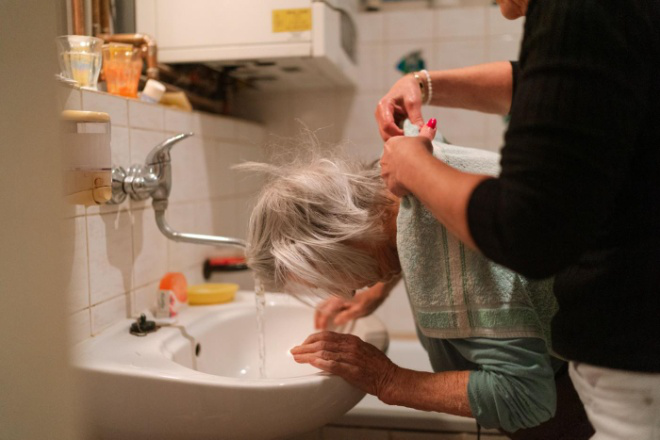
Personal care becomes more relevant when someone needs help bathing, dressing, toileting, transferring or maintaining personal hygiene. A personal care services in Ridgewood NJ may help with these activities according to training and the approved care plan. Clinical issues such as wound treatment or skilled medication administration require appropriate licensed professionals, not merely a companion. Medicare guidance describes the difference between qualifying skilled home health services and care that consists only of daily living assistance.
Families should describe actual tasks rather than selecting a service name first. A person who can walk during a daytime visit might still need help transferring safely at night.
Look beyond what happens during a short family visit. Ask the parent to walk through a normal morning and evening, including meals, medications, bathing and moving around the home. Pay attention to chores abandoned because they are tiring or difficult. A parent may say they do not need help because they fear losing independence; another may welcome companionship but dislike having someone make decisions for them. Listening carefully helps define a support arrangement the person can accept.
In some situations, a personal care assistant in NJ is needed for hands-on tasks rather than social visits.
Matching Support to Changing Needs
A useful care assessment considers both what an individual can do and what they want to keep doing independently. Person-centered care principles from CMS emphasise preferences, values and shared decisions. Begin with a realistic schedule and review it after an illness, a fall or a change in confidence.
Continue involving the parent in decisions. Support can be increased or adjusted without treating every new difficulty as a reason to take over all daily activities.
Finding the Right Balance of Support
At 360 Degree Care we offer companion care and hands-on personal care for different levels of need. Personal care services may be appropriate for daily activities. Home health services in Ridgewood should be assessed separately where clinical needs exist. Review our personal care services and contact us to discuss a practical support plan.