
A senior can live alone and feel perfectly content. They can also live in a house full of people and feel profoundly lonely. The distinction matters because the health risks associated with loneliness among older adults are driven by the subjective experience of feeling disconnected, not by the objective fact of living alone. Understanding this difference helps families recognize when a loved one’s emotional needs are going unmet, even when their physical situation appears stable.
Why Loneliness Is a Health Concern
Chronic loneliness in older adults is associated with increased rates of depression, cognitive decline, cardiovascular disease, weakened immune function, and elevated mortality risk. These are not soft outcomes. They are clinically documented consequences that place loneliness alongside smoking and obesity as a significant public health concern for aging populations.
What makes loneliness particularly difficult to address is that it does not respond to casual contact. A brief phone call or an occasional visit may provide momentary relief, but it does not resolve the underlying experience of feeling unknown, unheard, and disconnected from meaningful daily interaction. Professional home health services in New Jersey that include structured companionship address loneliness at its source by providing the consistent, genuine human presence that casual contact cannot replicate.
What Meaningful Engagement Actually Looks Like
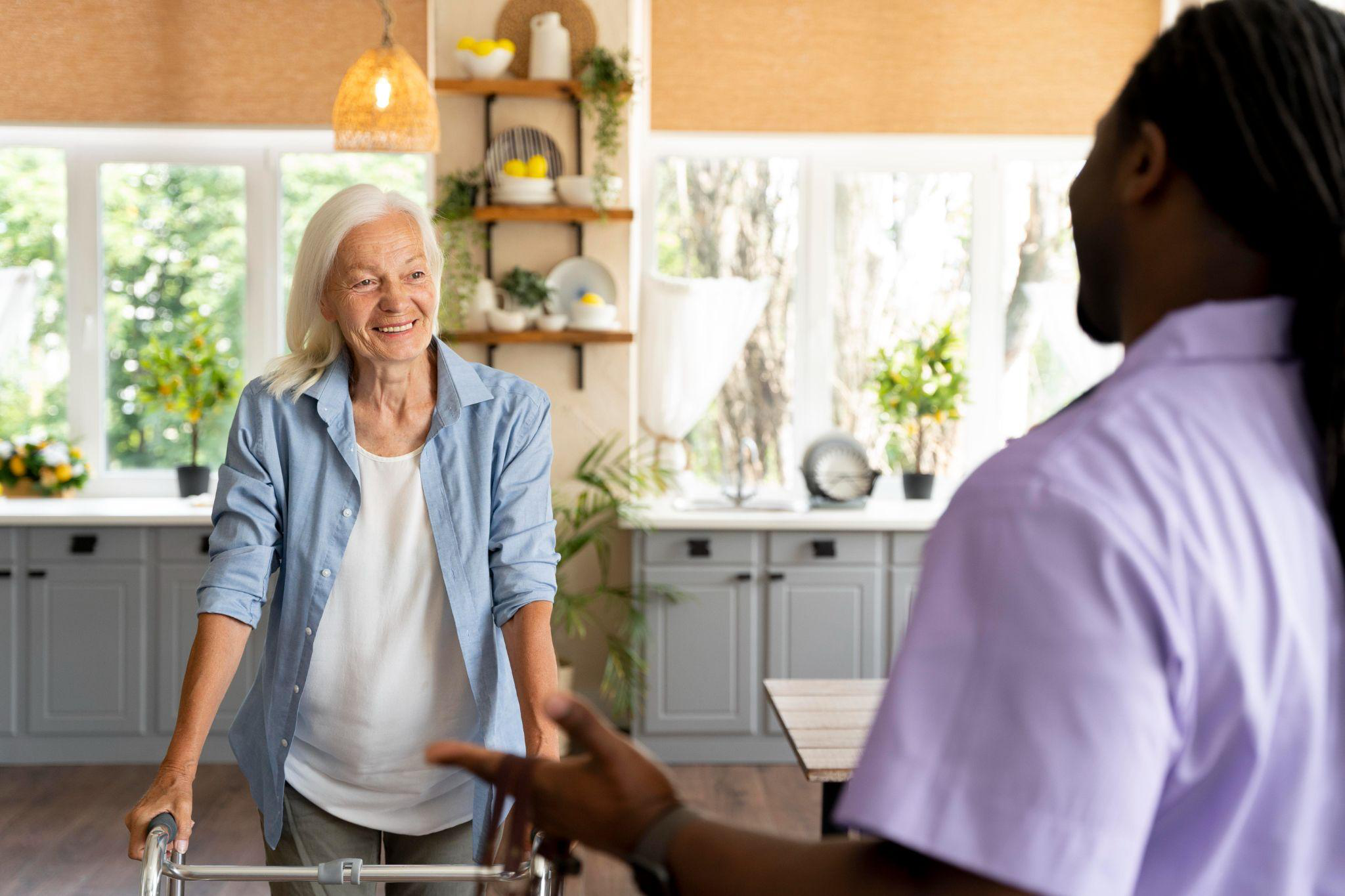
Meaningful engagement is not activity for the sake of activity. It is interaction that makes the senior feel genuinely seen and valued. A home healthcare in Lakewood who sits with a client over coffee and asks about their morning. A caregiver who accompanies a client to a community event they had stopped attending because going alone felt too difficult. A professional who remembers what the client said last week and follows up on it today.
This quality of engagement requires consistency. A rotating roster of caregivers cannot build the relational depth that loneliness requires to be addressed. Professional companion care delivered by the same caregiver over time creates the conditions for genuine connection, the kind where a senior begins to look forward to the visit rather than simply tolerating it.
For many isolated seniors, the caregiver becomes one of the most meaningful daily relationships in their life. That is not a limitation of professional senior home care in New Jersey. It is a reflection of how seriously home health services in New Jersey can address the emotional dimension of aging when they are delivered with genuine attention.
Connection Is Central to Everything We Do
At 360 Degree Care Inc., we believe that in home personal care in New Jersey should address the whole person, not just the physical tasks that appear on a care plan. Our caregivers are matched for genuine personal compatibility and retained consistently because we know that the relationship behind the care is what makes the care actually work. If your loved one is alone and you suspect they may also be lonely, contact 360 Degree Care Inc. today. That distinction matters, and we are built to address it.