
A fall does not end when the senior is helped back to their feet. For many older adults, the most dangerous consequences of a fall emerge not in the moment of the incident but in the days that follow. The 72-hour post-fall window is a period of elevated physical and psychological vulnerability during which secondary complications, undetected injuries, and a developing fear of falling again can combine to produce outcomes far more serious than the fall itself. Families who understand what to do during this window significantly improve their loved one’s recovery trajectory.
Immediate Steps: Assess Before You Move
The instinct when a loved one falls is to help them up immediately. In most cases, this should be paused for a brief assessment first. Before assisting the person to their feet, check for signs of serious injury: inability to move a limb, severe pain in the hip or spine, visible deformity, or loss of consciousness. If any of these are present, do not attempt to move the person without medical guidance.
Even in the absence of obvious injury, the fall should prompt a professional assessment within 24 hours. Falls that produce no visible damage frequently cause internal injuries, particularly in clients on blood thinners, that only become symptomatic hours later. Arranging home health care in Elizabeth promptly after a fall is not overcautious. It is appropriate clinical management.
Monitoring During the First 24 Hours
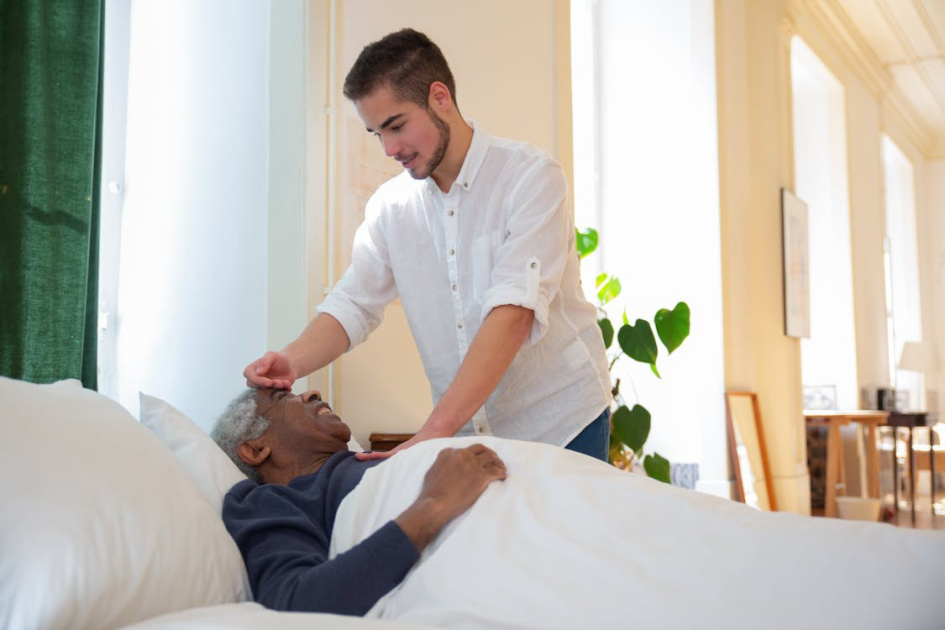
Close monitoring at home during the first 24 hours requires watching for increasing pain anywhere in the body, new confusion or disorientation, changes in speech, headache, nausea, or drowsiness following any head impact. Any of these signs requires immediate medical attention.
This level of vigilant monitoring is beyond what most family caregivers can sustain reliably. A certified home health aide or visiting nurse who understands post-fall clinical indicators provides a meaningfully different quality of oversight than a concerned family member checking in periodically. Professional in-home health service during this window directly reduces the risk of a complication going undetected.
Address the Environment and the Fear
While monitoring is underway, the environment that produced the fall needs to be assessed and modified. This step is frequently skipped because families are focused on the person rather than the space. But if the conditions that caused the fall remain unchanged, a second fall is a documented and predictable risk.
Fear of falling is equally important to address. Seniors who have experienced a fall frequently reduce their physical activity in response to fear, which accelerates the muscle weakness that makes further falls more likely. Caregivers providing senior home care in the post-fall period actively interrupt this pattern by supporting structured daily movement and rebuilding the client’s confidence through supervised activity.
Recognizing When a Fall Signals a Larger Need
For some seniors, a fall surfaces a level of functional decline that had been developing unnoticed. Families who have been managing without professional support often discover, in the post-fall period, that their loved one’s condition has deteriorated further than they recognized. The home health services in New Jersey that address immediate post-fall recovery overlap significantly with the ongoing in-home care in Paramus that prevents the next fall. This moment, difficult as it is, is often the right one to formalize a professional care arrangement.
When Time Is the Variable, We Move Fast.
At 360 Degree Care Inc., we support families through exactly this moment. Whether you need immediate post-fall monitoring, a professional home safety assessment, or a longer-term care arrangement built around your loved one’s current needs, our team is ready to respond quickly.
We understand that the first 72 hours matter enormously, which is why we work with families to get the right support in place as fast as possible. Contact 360 Degree Care Inc. today to speak with our team about professional home health care in Newark NJ, and the full range of post-fall care services we provide.