
When a senior is discharged from the hospital after surgery, an infection, a cardiac event, or a fall, the focus is typically on immediate recovery. What families often fail to anticipate is how the weeks immediately following discharge will determine outcomes far beyond that initial recovery window. Short-term professional home health care in Newark, NJ, is not simply a bridge between the hospital and independent living. It is often the difference between a full recovery and a long-term decline.
The Readmission Risk Is Real
Hospital readmission within 30 days of discharge is one of the most studied and persistent problems in American healthcare. For seniors over 65, readmission rates remain stubbornly high — and a significant proportion of those readmissions are preventable. The most common causes are medication errors, missed follow-up appointments, wound complications, and failure to recognize early warning signs of deterioration.
All of these are directly addressable through structured home health services. Licensed nurses who visit regularly after discharge verify medication compliance, monitor wound healing, track vital signs, and communicate actively with attending physicians. Certified home health aide in new Jersey support the daily physical demands of recovery — reducing the exertion and fall risk that many seniors underestimate during the post-acute period.
Short-Term Care Prevents Long-Term Decline
The physiological impact of hospitalization on older adults extends well beyond the presenting condition. Prolonged bed rest leads to muscle deconditioning. Disrupted sleep schedules affect cognitive function. Changes in diet and routine during a hospital stay can take weeks to reverse — and without structured support at home, many seniors do not reverse them at all.
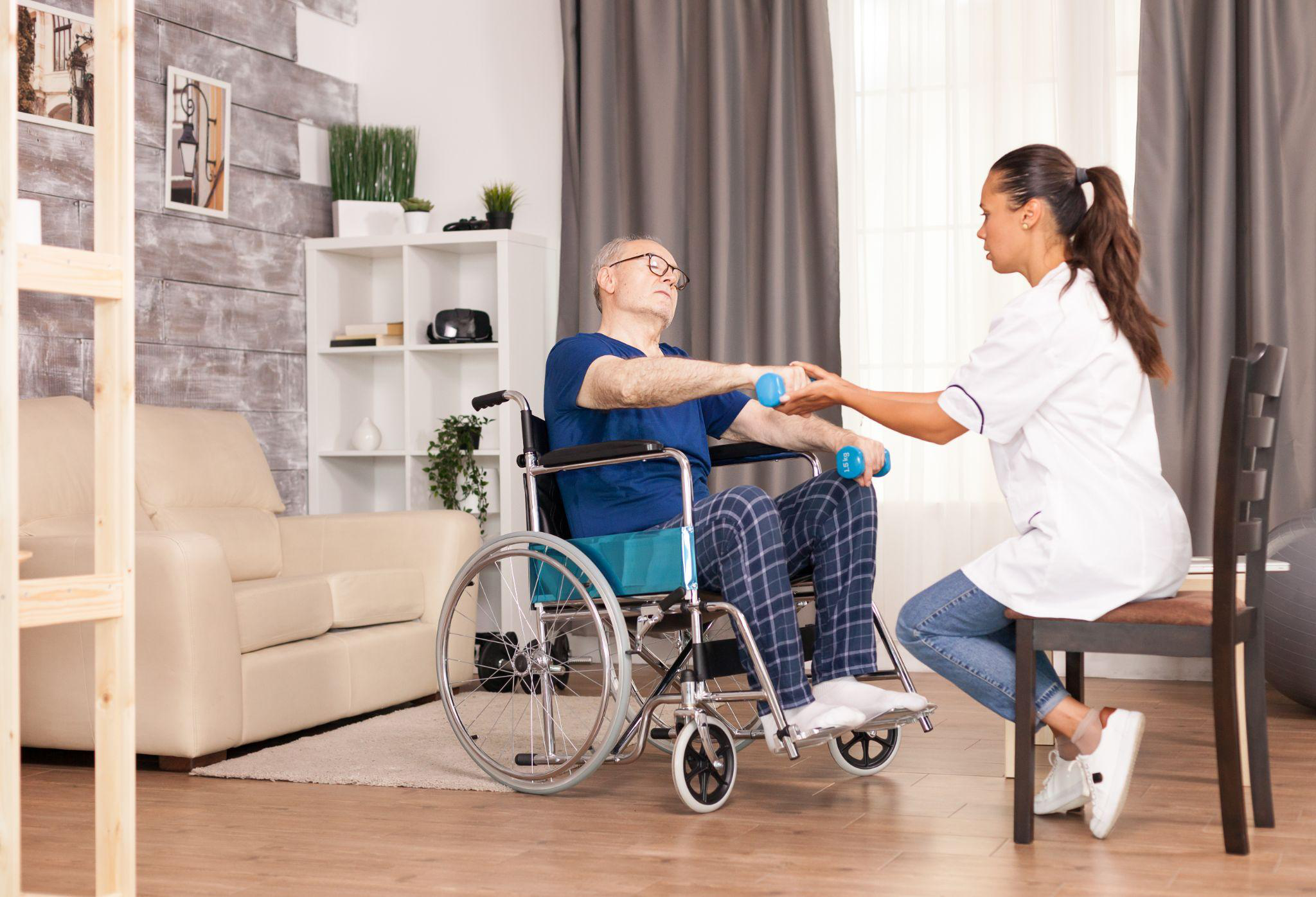
Short-term home health care in Newark, NJ, addresses these recovery deficits systematically. Structured mobility assistance supports physical reconditioning. Supervised meal preparation restores nutritional intake. Consistent daily routines — maintained by a caregiver who shows up at the same time, with the same focus — rebuild the functional baseline that hospitalization disrupts.
The Transition Window Is the Critical Period
Research consistently identifies the first two to four weeks following hospital discharge as the period of greatest vulnerability for older adults. During this window, health status is most fluid, risk of complication is highest, and the absence of professional oversight is most consequential. Families who arrange in home care in lakewood during this window — rather than waiting to see how recovery progresses — protect their loved ones during the period when protection matters most.
Short-Term Care Often Becomes the Right Foundation
Many families discover that short-term care reveals needs they had not previously acknowledged. A caregiver who spends time in the home over several weeks often identifies safety hazards, cognitive concerns, or functional limitations that family visits had not surfaced. What begins as a post-discharge arrangement frequently evolves — thoughtfully, at the client’s pace — into the ongoing senior home care in New jersey that the family had not yet admitted was needed.
At 360 Degree Care Inc., we coordinate directly with discharge planners, attending physicians, and families to ensure that home health care in Newark, NJ, and throughout New Jersey begins exactly when it is needed and continues without gaps during the most critical period of recovery. We do not wait for families to figure it out on their own. If your loved one is preparing for discharge, currently in recovery, or returning home after a hospitalization, contact our team now. We are ready to step in and provide the structured, professional support that makes the difference between a full recovery and a setback.